
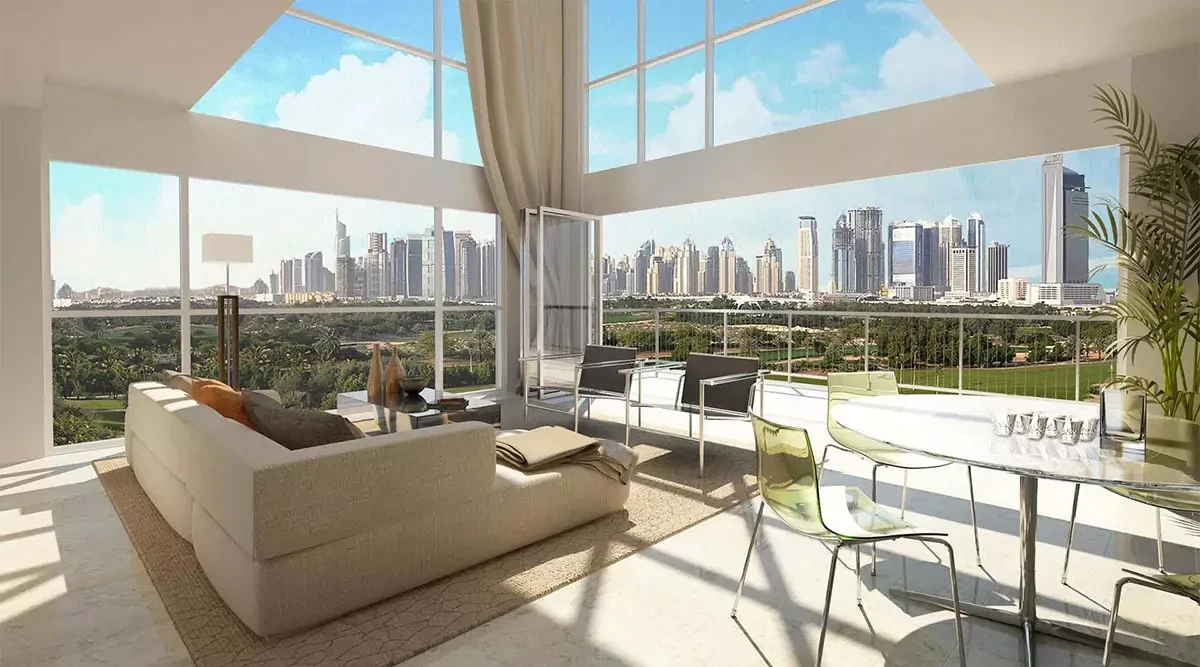
Renting property in Dubai is one of the most popular options for residents, expats, and newcomers due to the city’s flexible rental market, wide range of apartmentA residential unit within a multi-story building. choices, and clear tenancy regulations. In 2026, Dubai continues to offer diverse rental options across all budgets and lifestyles.
This guide explains how to rent property in Dubai, average rental prices, apartment types, tenant rights, and important rules you must know before signing a tenancy contractA legally binding rental agreement between landlord and tenant in Dubai..
Why Rent Property in Dubai?
Dubai’s rental market attracts millions of tenants every year for several reasons:
- No income tax on salaries
- Flexible rental options (short-term & long-term)
- High-quality residential communities
- Clear rental laws protecting tenants and landlords
- Apartments available across all price ranges
Whether you are relocating for work or seeking investment rentals, Dubai offers unmatched variety.
Types of Rental Properties in Dubai
Apartments for Rent
Apartments are the most common rental option in Dubai and are available in all major areas. They range from studios to luxury penthouses and are suitable for singles, couples, and families.
Villas & Townhouses
Villas and townhouses are ideal for families looking for more space and privacy. These properties are usually located in gated communities with shared facilities such as parks, pools, and gyms.
Short-Term Rentals
Short-term rentals (monthly or weekly) are popular among tourists and business travelers. These are typically furnished and priced higher than long-term rentals.
Average Rental Prices in Dubai (2026)
Rental prices vary depending on location, property type, and amenities.
| Property Type | Average Annual RentThe total rent amount paid by a tenant for a one-year tenancy period. |
|---|---|
| Studio ApartmentA compact unit with an open-plan living and sleeping area. | AED 35,000 – AED 60,000 |
| 1 Bedroom Apartment | AED 50,000 – AED 90,000 |
| 2 Bedroom Apartment | AED 75,000 – AED 140,000 |
| Villa / TownhouseA multi-level home sharing walls with adjacent properties. | AED 120,000 – AED 300,000+ |
Prices in prime locations like waterfront or downtown areas are generally higher than suburban communities.
Popular Areas to Rent in Dubai
Some of the most in-demand rental locations include:
- Dubai Marina
- Downtown Dubai
- Jumeirah Village Circle (JVC)
- Business Bay
- Deira & Bur Dubai
- Dubai Silicon Oasis
Each area offers different lifestyles, price ranges, and access to transport.
Rental Contract Process in Dubai
Renting a property in Dubai usually follows these steps:
- Choose a property and agree on rental terms
- Pay the security depositA refundable amount paid by the tenant to cover potential damages or unpaid bills. (usually 5%)
- Sign the tenancy contract
- Register the contract through EjariDubai’s official online system for registering tenancy contracts regulated by RERA.
- Receive keys and move in
Most contracts are for 12 months, though some landlords allow flexible terms.
Tenant Rules & Rights in Dubai
Tenants in Dubai are protected by clear rental laws. Key rules include:
- Rent increases are regulated
- Landlords must give notice before eviction
- Maintenance responsibilities are defined in the contract
- Eviction requires legal justification
- Disputes can be resolved through official rental committees
Always read the tenancy agreement carefully before signing.
Additional Rental Costs to Expect
When renting property in Dubai, budget for:
- Security deposit
- Ejari registration feeAdministrative fee paid for registering property ownership or contracts.
- Agency commissionBroker compensation, typically a percentage of the transaction value. (usually 5%)
- Utility connections (electricity, water, internet)
- Municipality housing fee
These costs are standard and should be planned in advance.
Renting as an Expat in Dubai
Expats can rent property in Dubai without restrictions. A valid residence visa and Emirates ID are usually required. Many landlords accept cheques, while some now allow flexible payment plans.
Is Renting in Dubai a Good Option in 2026?
Renting remains a practical choice for residents who prefer flexibility, lower upfront costs, and access to premium locations without long-term commitment. With a regulated rental market and growing housing supply, tenants have more options than ever.